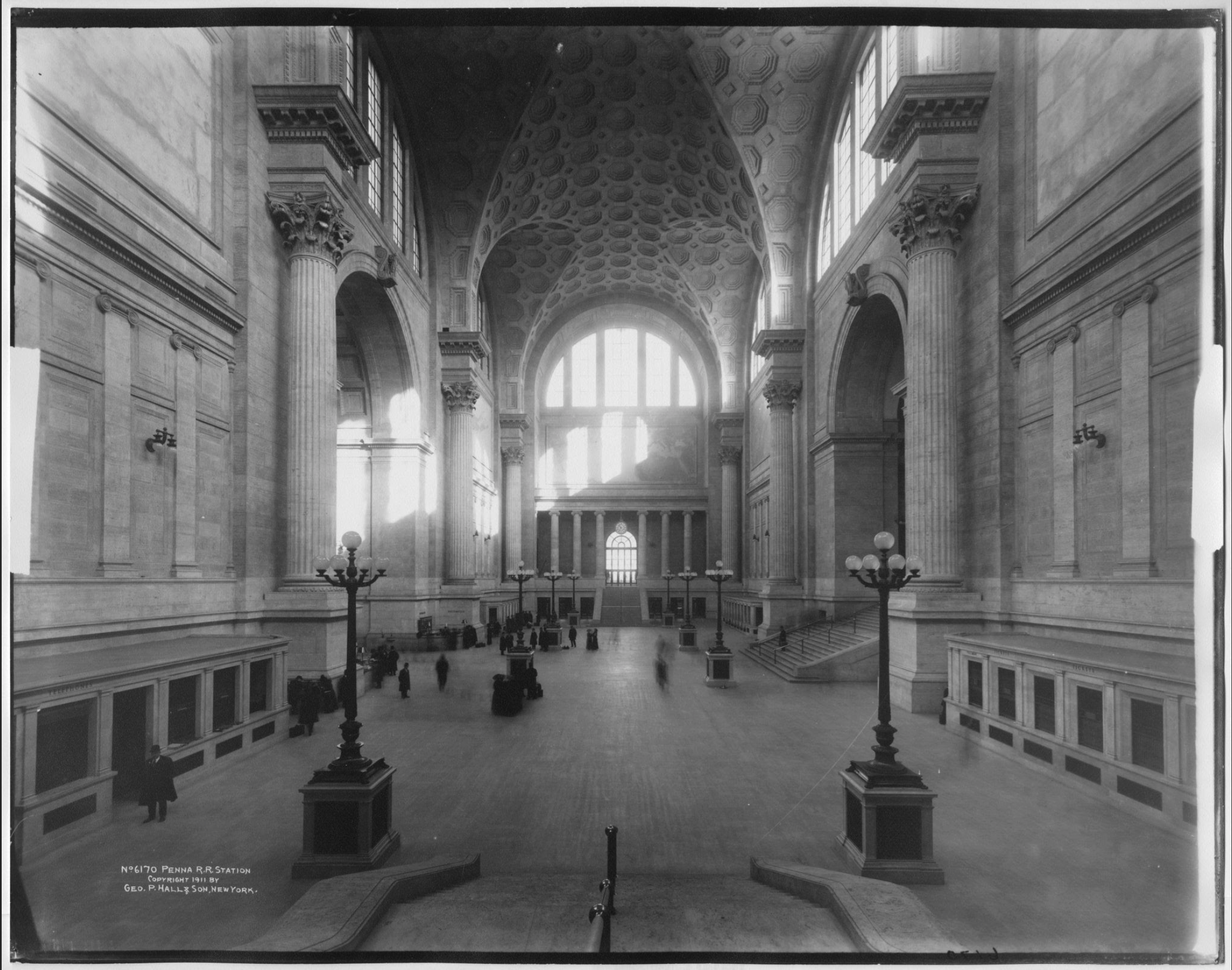
Faded Glory: 10 Iconic Landmarks That Once Defined New York City
From Gilded Age mansions to the original Penn Station, a look back at the legendary architectural masterpieces New York City lost to progress and changing times.
New York City's skyline is an ever-evolving canvas, but its modern glass towers have replaced some of the most spectacular buildings in American history. A recent retrospective highlights ten legendary landmarks that once defined the city before falling victim to progress and commercial real estate.
Among the most notorious losses is the original Pennsylvania Station, a 1910 Beaux-Arts masterpiece whose demolition in the 1960s sparked a citywide preservation movement. The list also features the Singer Building, which briefly held the title of the world's tallest skyscraper before its 1967 demolition, and the original Waldorf-Astoria on Fifth Avenue, which was famously replaced by the Empire State Building in 1929.
Gilded Age extravagance is represented by the lost mansions of Cornelius Vanderbilt II, William Vanderbilt, and Charles M. Schwab—sprawling urban castles that eventually surrendered to high maintenance costs. Other architectural casualties include the colossal Hippodrome theater, the New York Tribune Building, the City Hall Post Office, and the Brokaw Mansion. Today, these vanished monuments serve as a powerful reminder of the city's relentless ambition and the high price of reinvention.
Story Gallery (1 Photo)

Caption: From Gilded Age mansions to the original Penn Station, a look back at the legendary architectural masterpieces New York City lost to progress and changing times.